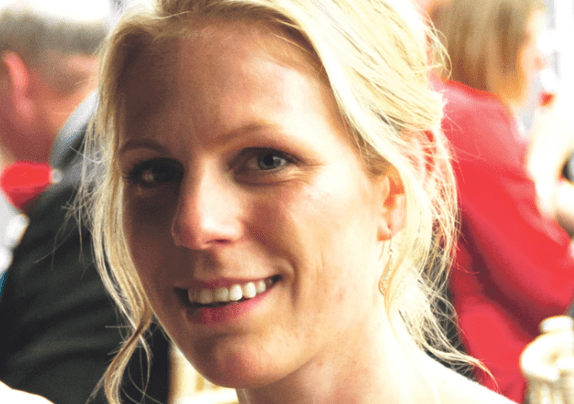
She is currently the Prime Minister of Asgard, our space nation, and this job is fundamental. Her view from a personal space is very fascinating. Lena de Winne expresses deep concern about understanding what it is like to see her husband go into space and live with the other two wives of the crew that was part of the expedition at that time.
Lena De Winne. Born and educated in Moscow, Lena accomplished Master’s Degree in Engineering from Moscow Power Engineering University. With her interest in linguistics, art and psychology, she worked in professional sports and advertising, participated in the organization of the first professional tennis tournaments in Russia. In 1992.
Lena moved to The Netherlands and in 1993 started working supporting the European flights to the Russian Mir station and eventually transferred to the area of human space flight promotion in the International Space Station Program. In parallel to her work, she accomplished an MBA in The Netherlands and a PhD in psychology in America.
During these years, she met Frank De Winne, a former military pilot and now a European astronaut from Belgium, who became her husband. Their life on the road in preparation for his half-year-long flight to space in 2009 as the first European commander of the International Space Station. A unique perspective for sharing this story was given to Lena by her experience as a wife of an astronaut in flight.
Personalities like Shelli give us a global view of their connections with the world of industry and interests in space matters. This work is part of their career and is a deep and accurate analysis of what surrounds us in the environment, whose future will encompass an enormous diversity of activities on Earth, looking towards space.
In What’s Space Got To Do With It? 10 Life Lessons for Personal Growth, Shelli Brunswick distils over 35 years of experience in the aerospace industry and insights from global thought leaders into powerful, practical life lessons. Drawing from her career in the US Air Force, the space industry, and her global advocacy, Shelli delivers a roadmap for personal and professional growth that transcends industries and professions.
This inspiring book explores the universal principles of leadership, resilience, and innovation, using the space industry as a unique benchmark. From overcoming self-doubt to building meaningful relationships and expanding your horizons, Shelli provides readers with actionable strategies to thrive in an ever-changing world.
Inside this transformative book, you’ll discover how to:
Seize opportunities even when the odds are against you.
Conquer fear and uncertainty in both your personal and professional life.
Build a network of powerful relationships that support long-term success.
Overcome self-doubt and take on new challenges with confidence.
Cultivate resilience, passion, and perseverance to achieve lasting success.
Each chapter weaves together Shelli’s reflections and the stories of global thought leaders she’s interviewed, offering practical steps to turn lessons into action. Whether navigating your career, pursuing a personal goal, or seeking inspiration, What’s Space Got To Do With It? 10 Life Lessons For Personal Growth provides the tools and insights to elevate your journey.
What’s Space Got To Do With It?10 Life Lessons For Personal Growth is the first book in a series to guide readers through various aspects of personal and professional development. With lessons grounded in our universe’s cosmic principles, Shelli offers a fresh perspective on how we can all reach for the stars—literally and metaphorically.
Begin your journey to personal and professional growth today by exploring the limitless potential of the universe with Shelli Brunswick as your guide.
“This book is a must-read for anyone looking to grow personally and professionally. Shelli’s insights are inspiring and practical, making it a valuable resource for leaders, entrepreneurs, and anyone aiming to achieve their full potential.”
Lucy Chow, Secretary General, WBAF Global Women Leaders Committee; Arabian Business 2023, 50 Inspiring Female Business Leaders
“Shelli’s ability to translate complex industry principles into universal life lessons makes this book an invaluable guide for anyone seeking to grow personally and professionally. Most importantly, you get to know Shelli and her amazing story.”
Dr. Timothy Mottet, President Emeritus, Colorado State University-Pueblo
“Shelli’s vast experience in the aerospace industry shines through, providing readers with practical tools to navigate their journeys with passion and purpose. I admire how Shelli empowers others to reach for the stars, like my work through G100 and our global platforms. This book is a beacon for anyone looking to lead with resilience and strategic foresight.”
Dr. Harbeen Arora Rai, Founder & President, G100; ALL Ladies League (ALL) Women Economic Forum (WEF)
“Drawing from decades of experience in the aerospace and space industry, Shelli offers practical, universal principles that can guide professionals at any career stage. Whether you’re an aspiring entrepreneur or a seasoned leader, the insights here are inspiring and actionable. This book will undoubtedly make a profound impact on readers globally.”
Deborah Sass, CEO & Founder, SpaceVrse; Co-Founder, Space Hero; Member, World Economic Forum Global Future Council on Space.
Durante un período prolongado de la historia humana, grupos pequeños y poderosos han utilizado leyes y reglamentos para controlar, gobernar y mejorar el bienestar de las comunidades organizadas en varios dominios en todo el mundo. Desde monarcas hasta emperadores, desde dictadores autoritarios hasta formas modernas de gobierno democrático en todo el mundo.
Los líderes han buscado prevenir situaciones de “anarquía” o “regla de la jungla” donde prevalece la supervivencia del más apto. El ámbito del espacio exterior no es una excepción en este sentido. La adopción de leyes, tanto nacionales como internacionales, es un esfuerzo por lograr el bienestar de toda la humanidad en el ámbito espacial.
¿Estamos presenciando el fin del derecho espacial internacional tal como lo conocemos, o estamos al borde de una era transformadora?
Este informe especial se basa en un capítulo de un nuevo libro publicado en honor del prestigioso profesor de derecho internacional Siegfried Wiessner, llega al meollo del asunto y analiza si el derecho espacial internacional está experimentando un cambio drástico o simplemente está desapareciendo. En medio de la agitación geopolítica y la disminución de la cooperación internacional, la posibilidad de una nueva organización intergubernamental dedicada a los asuntos espaciales surge como una consideración crítica. El futuro de la gobernanza espacial pende de un delicado equilibrio.
“Mediados de enero es la fecha que nos mantiene a todos a la expectativa”
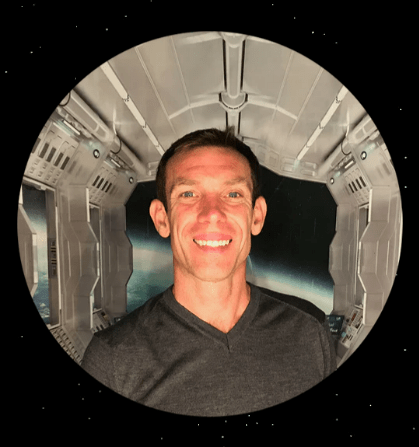
Información autorizada para su difusión por Ben Haldeman y el equipo LifeShip
Ben fundó LifeShip para expandir la vida hacia afuera y hacer que el espacio sea accesible para las personas. Durante los últimos 15 años, ha creado potentes telescopios para encontrar nuevos planetas, instrumentos para buscar vida en Marte y redes de satélites para ayudar a la Tierra y avanzar en la exploración espacial.
Aquí la información que nos ha compartido y es un gusto enorme para Gaceta Asgardiana difundir para ustedes:
Mientras reflexionamos sobre esta temporada de conexión, estamos agradecidos por la comunidad que impulsa la misión de LifeShip de preservar la vida y continuar la historia de la humanidad hasta las estrellas. En esta temporada de fiestas, estamos profundamente agradecidos por ustedes, nuestra comunidad de LifeShip, por ser parte de este viaje para crear un futuro galáctico más brillante y más conectado.
¡Siga leyendo para conocer actualizaciones emocionantes de LifeShip mientras alcanzamos las estrellas juntos! Próximamente, se lanzará la pirámide de LifeShip en la Luna
¡Vamos a la Luna! La NASA ha anunciado que la primera misión Blue Ghost de Firefly Aerospace se lanzará a mediados de enero de 2025. A bordo de esta histórica misión se encuentra la pirámide LifeShip, un pequeño monumento dorado diseñado para celebrar y preservar la vida y la historia de la Tierra. ¡Estamos encantados de colocar el primer banco de semillas de plantas y la primera pirámide en la Luna!
La misión también transportará 10 instrumentos científicos y tecnológicos de la NASA como parte de la iniciativa de Servicios de Carga Lunar Comercial (CLPS) de la NASA, en apoyo del programa Artemis. El módulo de aterrizaje Blue Ghost se lanzará desde el Centro Espacial Kennedy en Florida. Lea más sobre la misión aquí: SpaceX lanzará el módulo de aterrizaje Blue Ghost de Firefly Aerospace a la Luna a mediados de enero con estas 10 cargas útiles de la NASA. LifeShip organizará una fiesta de lanzamiento virtual. Recibirás una invitación para ver esta misión histórica con tu comunidad LifeShip. Hay áreas de visualización públicas disponibles para que cualquier persona en Cabo Cañaveral, Florida, pueda ver el lanzamiento. Estamos ansiosos por verlo contigo
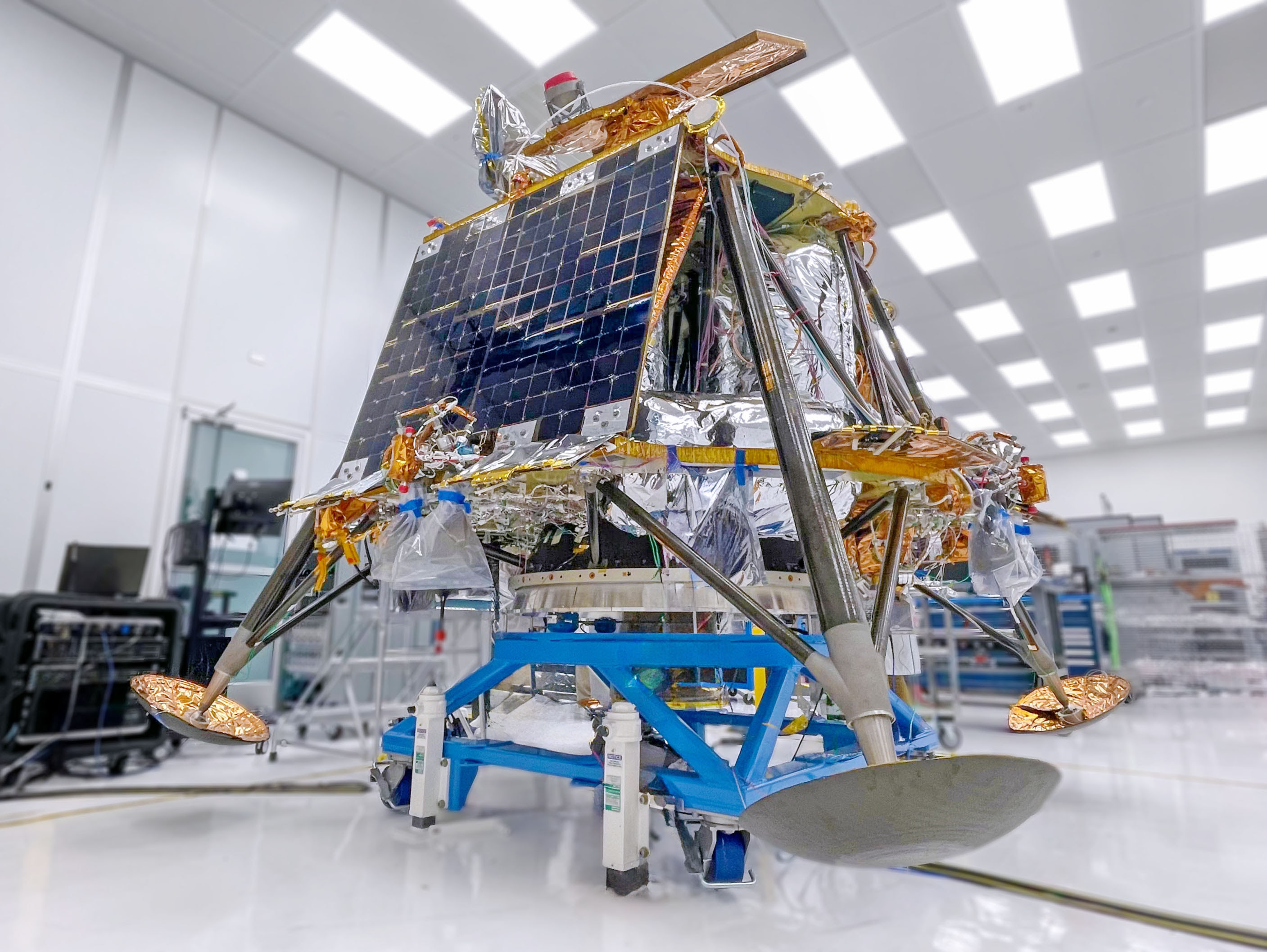
El módulo lunar Firefly Blue Ghost listo para el lanzamiento (Crédito: Firefly)
Un monumento a la vida desde la Tierra
La pirámide LifeShip en la Luna es un monumento, un banco de semillas, un archivo cultural, una cápsula del tiempo y una sonda mensajera que lleva la esencia de la Tierra al más allá. Este monumento histórico representa un gran paso adelante en nuestra misión de preservar y continuar la vida desde la Tierra. Es un pequeño paso hacia la propagación de la vida y la conciencia a través del cosmos. Su forma geométrica atemporal simboliza la resiliencia y los logros monumentales de la humanidad, mientras que su ubicación en la Luna honra nuestro espíritu ilimitado de exploración y expansión. Esta es una misión al servicio de la vida desde la Tierra.
La pirámide de LifeShip y el espacio Adsum, obra de Ed Kac (crédito: LifeShip)
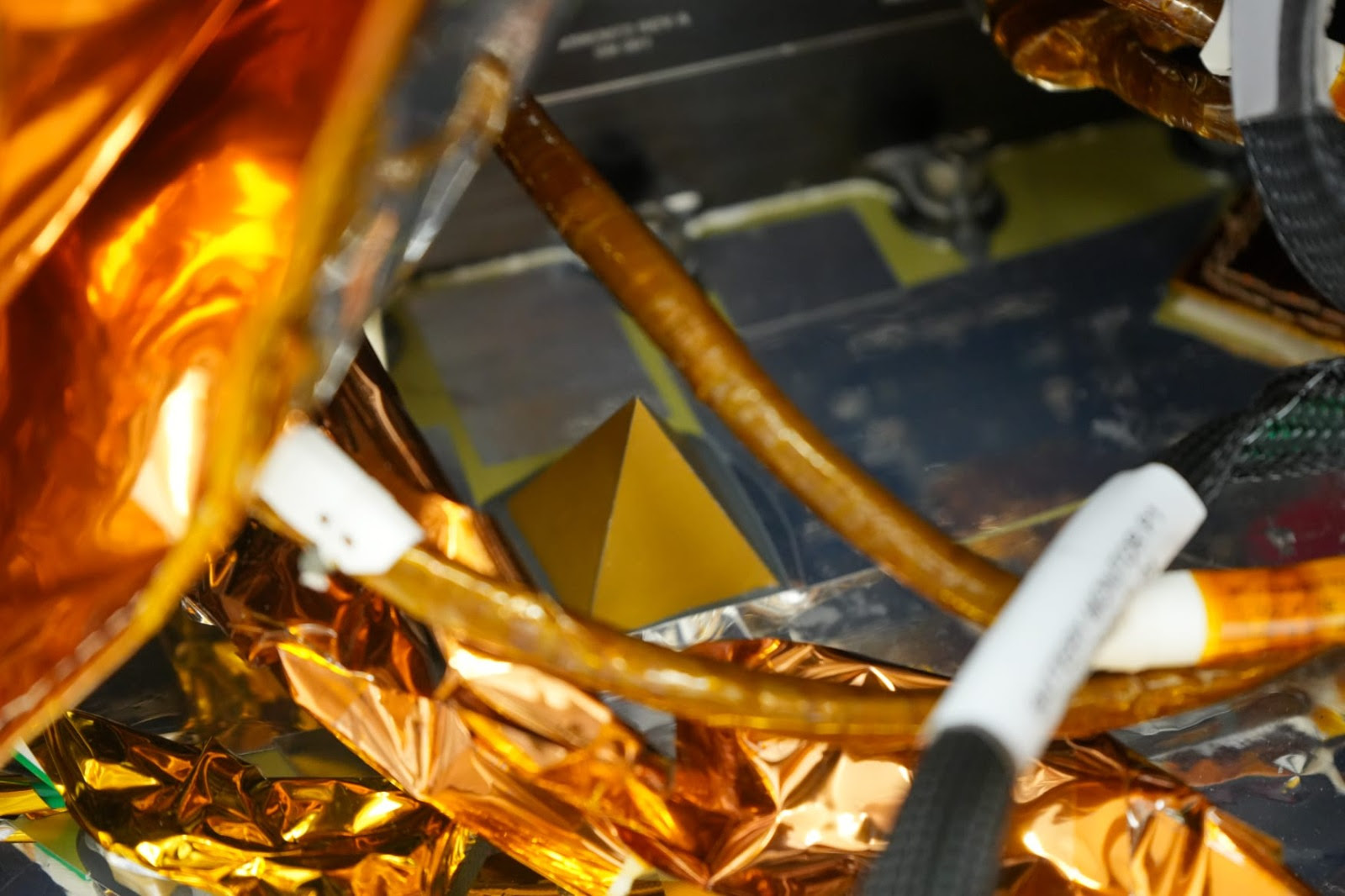
La Pirámide en la Luna está montada en el módulo de aterrizaje lunar Blue Ghost de Firefly y lista para su lanzamiento.
Pirámide de LifeShip en la Luna montada en Blue Ghost (Crédito: Firefly)
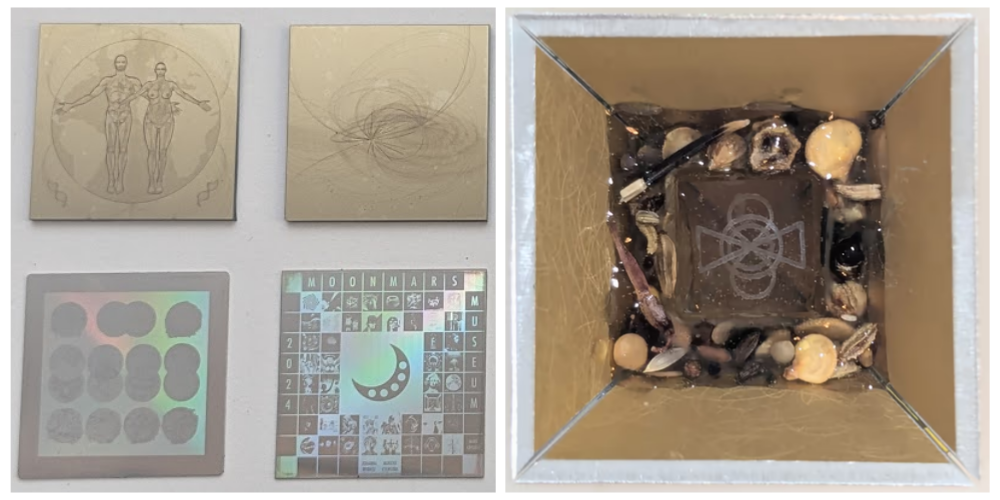
Lleno de vida y conocimiento Dentro de esta pirámide en miniatura pero rica en información:Semillas de plantas de 100 especies. Un banco de semillas global de nuestras plantas más comunes en las que los humanos hemos confiado durante miles de años. El genoma humano completo, digitalizado en un dispositivo de almacenamiento cerámico Cerabyte diseñado para durar mil millones de años. Hemos eternizado el modelo humano. El código para un modelo de lenguaje grande (LLM) de IA entrenado como sonda mensajera de la humanidad.
Aguas sagradas y cristales de 33 sitios en todo el mundo. Historias, deseos y oraciones de 25.000 personas. Toda Wikipedia, codificada en ADN, en colaboración con Arch Mission Foundation e impresa en ADN por Catálogo.
Un mensaje a las civilizaciones futuras de la Fundación Interestelar. Colecciones de MoonDAO, Copernic Space, United Planet, el Museo de las Ideas y más. Carteras blockchain almacenadas en ADN molecular con Iridia y Ocean Protocol. Colecciones de arte destacadas almacenadas en Nano Fiche de los artistas Amy Karle, Richelle Ellis, Ed Kac y colecciones de galerías de MoonMars, LunARC y Lunar Codex. Nuestra comunidad y nuestros socios han reunido un hermoso monumento a la vida en la Tierra.
Arte en LifeShip de Amy Karle, Richelle Ellis y el Museo MoonMars (izquierda). Semillas de plantas y Adsum de Ed Kacconservadas en polímero de ámbar sintético dentro de la pirámide (derecha). (Crédito: LifeShip)
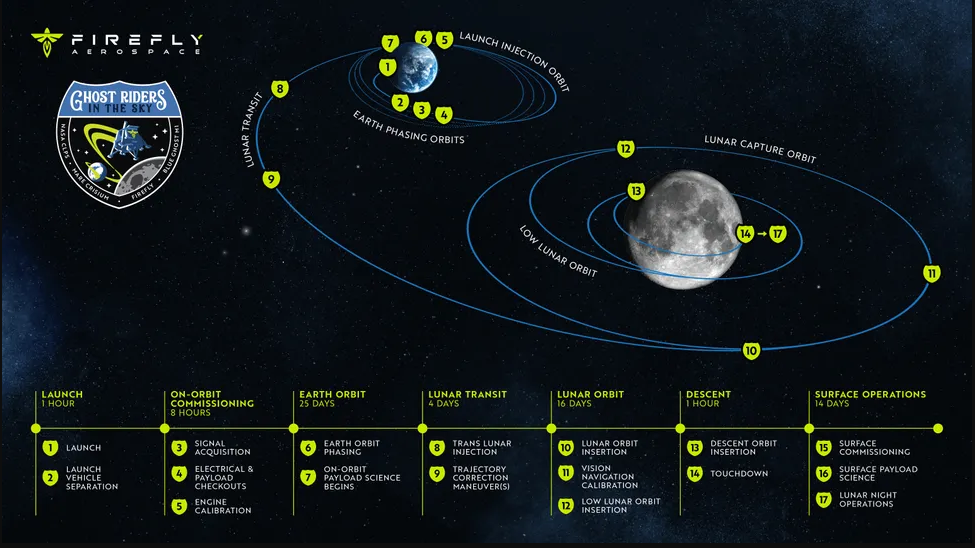
La nave espacial pasará 25 días en órbita terrestre antes de realizar una combustión de inyección translunar para comenzar un tránsito de cuatro días para orbitar alrededor de la luna. Blue Ghost permanecerá otros 16 días en órbita lunar, entrando en una trayectoria de descenso para aterrizar en la superficie de la Luna. El módulo de aterrizaje se posará en tierra de forma autónoma, utilizando un software de navegación visual para guiar su descenso. (Referencia: Space.com)
Habrá un video en vivo del aterrizaje y te invitaremos a una fiesta comunitaria donde transmitiremos el emocionante aterrizaje. Blue Ghost y la pirámide LifeShip en la Luna permanecerán allí para siempre.
El módulo lunar Firefly Blue Ghost listo para el lanzamiento (Crédito: Firefly)
Una misión comunitaria para continuar la vida desde la Tierra. Esta misión solo es posible con el apoyo de nuestra increíble comunidad. Juntos, llevamos la historia de la Tierra a las estrellas y dejamos un legado para las generaciones futuras. Estamos emocionados de ver el lanzamiento con ustedes y esperamos realizar más misiones juntos. Es un largo camino hacia las estrellas y apenas estamos comenzando.… Hemos estado muy ocupados en LifeShip. Siga leyendo para conocer otros acontecimientos recientes.
LifeShip se asocia con la NASA para el Desafío Internacional de Aplicaciones Espaciales LifeShip tuvo el honor de colaborar con el Desafío Internacional de Aplicaciones Espaciales de la NASA de este año, una plataforma para que los innovadores sueñen en grande y contribuyan con sus creaciones al espacio. A través de LifeShip, los equipos tuvieron la oportunidad única de agregar sus aplicaciones a una próxima misión lunar, haciendo que sus ideas sean parte de la historia de la humanidad más allá de la Tierra. ¡También nos encantó brindar premios a los equipos ganadores!
Fuimos parte de eventos organizados en el Centro de Investigación Glenn de la NASA y el Centro de Investigación Ames de la NASA, reuniendo a programadores, científicos, diseñadores, narradores y visionarios para abordar los desafíos que impactan la vida en la Tierra y en el espacio. Con LifeShip, el espacio ya no está fuera de nuestro alcance. Estamos creando una plataforma para que el espacio sea accesible para todos. Nos complace observar las ideas que se presentan a jóvenes, emprendimientos, estudiantes y soñadores. ¿Qué enviarías a las estrellas?
LifeShip fue un orgulloso socio del Desafío Internacional de Aplicaciones Espaciales de la NASA (Crédito: NASA)
La galería de arte lunar de LifeShip: una pieza maestra en el arte lunar. LifeShip se complace en presentar Art LifeShip, una colección exclusiva con obras de 100 artistas talentosos que se lanzará en una misión a la Luna a fines de 2025. Esta iniciativa artística visionaria se lanzó en la Gala de Arte Espacial en la ciudad de Nueva York en la Down Town Association, el primer club social del Bajo Manhattan con 160 años de tradición. El evento fue organizado por icMercury y Gallerie. Fue una deslumbrante celebración del arte y la exploración espacial, que mostró la profunda conexión entre la creatividad y el cosmos. ¡Un sincero agradecimiento a los artistas y visionarios que hicieron que la velada fuera inolvidable! Durante la gala, anunciamos con orgullo los primeros 8 artistas que se presentarán en esta colección cósmica.
LIfeShip fue un orgulloso socio y orador en la Gala de Arte Espacial de icMercury y Gallerie en Nueva York.
Sea parte del viaje Hacemos un llamamiento a socios y colaboradores para que amplifiquen y se sumen a esta galería cósmica. Si eres un artista, curador u organización apasionado por la intersección del arte y el espacio, nos encantaría conectarnos. Juntos, estamos construyendo una comunidad vibrante de artistas y creadores para ser parte de una colección estelar.
¡Felices fiestas desde LifeShip!
Estamos muy agradecidos por cada uno de ustedes en nuestra creciente comunidad. LifeShip es un movimiento comunitario que comienza aquí en la Tierra y que un día alcanzará las estrellas. Juntos, llevamos las semillas de la vida y la esencia de la humanidad al espacio. Estamos creando una comunidad centrada en el corazón en la Tierra con el sueño de poblar el espacio.
La persona que cada uno de nosotros elija ser aquí en la Tierra, hoy impacta en la cultura y la comunidad que se extenderán por toda la Galaxia.
De cara al futuro, estamos trabajando en nuevas formas de empoderar a nuestra comunidad y promover esta misión compartida. Les deseamos unas felices fiestas y mucha inspiración para el Año Nuevo. No podemos esperar a celebrar las fiestas en la Luna juntos algún día.
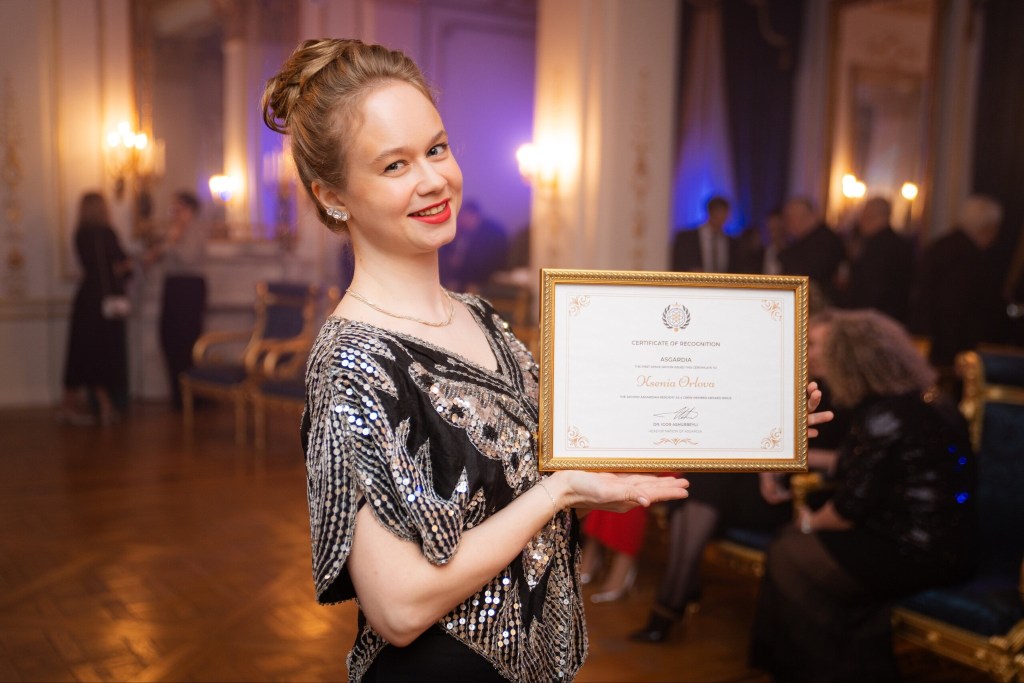
El 27 de diciembre se celebró una solemne ceremonia de entrega del galardón a la médica de la tripulación de SIRIUS-23, Ksenia Orlova. La investigadora asgardiana recibió el Certificado del Jefe de la Nación Espacial.
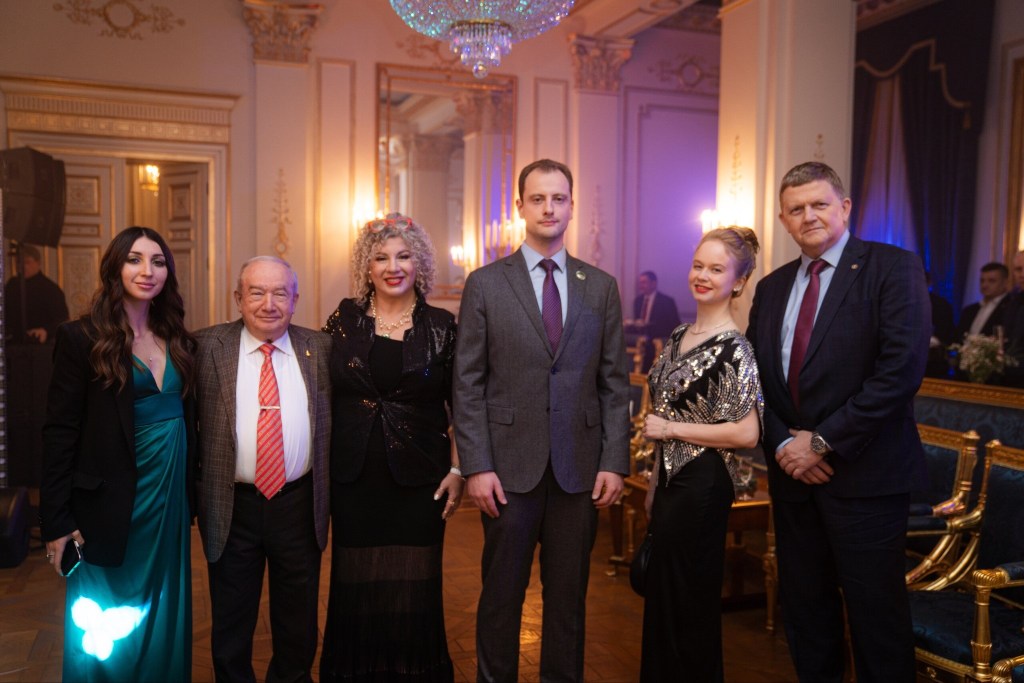
En nombre de Igor Ashurbeyli, fundador y Jefe de Asgardia, el certificado fue entregado por Lena De Winne, primera ministra de la Nación Espacial. A la ceremonia asistieron los socios de la Nación Espacial, los dirigentes del programa científico internacional SIRIUS (Scientific International Research in Unique Terrestrial Station) – el director del Instituto de Problemas Biomédicos (IPBM), Miembro de la Academia de Ciencias de Rusia, Oleg Orlov, y el director del Proyecto, galardonado con el premio nacional de Asgardia Por Logros Especiales en la Exploración del Espacio», Mark Belakovsky.
Ksenia Orlova llegó a ser la segunda persona en la historia en recibir el Certificado del Jefe de la Nación Espacial. El galardón, establecido por el Decreto nº 61, se concede por una contribución especial al desarrollo de una de las 12 áreas clave de Asgardia. Ksenia recibió el Certificado por su trabajo de investigación en la tripulación de SIRIUS-23: por su participación en la realización de la segunda etapa del programa científico de Asgardia para evaluar el estado inmunológico y microbiológico y el metabolismo óseo-mineral en el cuerpo femenino bajo los efectos del aislamiento.
En la ceremonia de entrega del Certificado del Jefe de la Nación el 27 de diciembre de 2024. De izquierda a derecha: Ekaterina Sarkisova, parlamentaria de Asgardia; Mark Belakovsky, Director del Proyecto Científico Internacional SIRIUS; Lena De Winne, Primera Ministra de Asgardia; Igor Ilyin, Director de la Oficina de Asgardia en Moscú; Ksenia Orlova, investigadora de la Nación Espacial de Asgardia; Oleg Orlov, Miembro de la Academia de Ciencias de Rusia y Director del Instituto de Problemas Biomédicos.
El experimento de aislamiento SIRIUS-23 duró 366 días: es el tiempo que Ksenia pasó en la instalación sellada del Complejo Experimental en Tierra (CET) del IPBM. El propio aislamiento terminó para la tripulación el 11 Sagittarius 0008 (14 de noviembre de 2024). Pero el experimento en sí continuó: los investigadores se sometieron a estudios posaislamiento para poder comparar los indicadores médicos obtenidos antes, durante y después del aislamiento anual.
Los científicos tienen mucho trabajo por delante para analizar las estadísticas y resumir los resultados de la investigación. Mientras tanto, los tripulantes de SIRIUS-23 se someten a rehabilitación, descansan y disfrutan de la diversidad de la vida tras 366 días de confinamiento continuo y monotonía.
Cómo fueron estos 366 días para Ksenia, lo sabemos por sus diarios, que seguimos publicando en el sitio web asgardia.space. La salida del aislamiento creó una euforia alegre. El homenaje en Asgardia también causó una fuerte impresión emocional en la investigadora:
«Llevar a cabo investigaciones en proyectos integrales a gran escala como SIRIUS-23 nunca es una tarea fácil. Participar en un programa de aislamiento anual como investigador voluntario eleva al cuadrado la complejidad y la responsabilidad. Cuando me ofrecieron el puesto de médica de la tripulación, dudé mucho», comparte Ksenia. «Pero el encuentro con Igor Raufovich Ashurbeyli en Bakú, en el Congreso Astronáutico Internacional, y las conversaciones que mantuve allí disiparon mis dudas. Me di cuenta de que podría formar parte del programa que abriría perspectivas a la humanidad para conocer las profundidades del universo.
Hemos realizado con éxito la investigación propuesta por Asgardia y seguimos trabajando para procesar los datos obtenidos y poner a disposición de la comunidad internacional las metas y los resultados del programa.
¡Quisiera darle las gracias al Jefe de la Nación Espacial por este alto galardón! Y también agradecerle a la Primera Ministra, Lena De Winne, y a sus colegas por su continuo apoyo y atención.
Estoy orgullosa de ser residente de Asgardia, un gran equipo internacional de personas con ideas afines. «¡Estoy lista para continuar siguiendo los altos ideales de la Nación Espacial!»
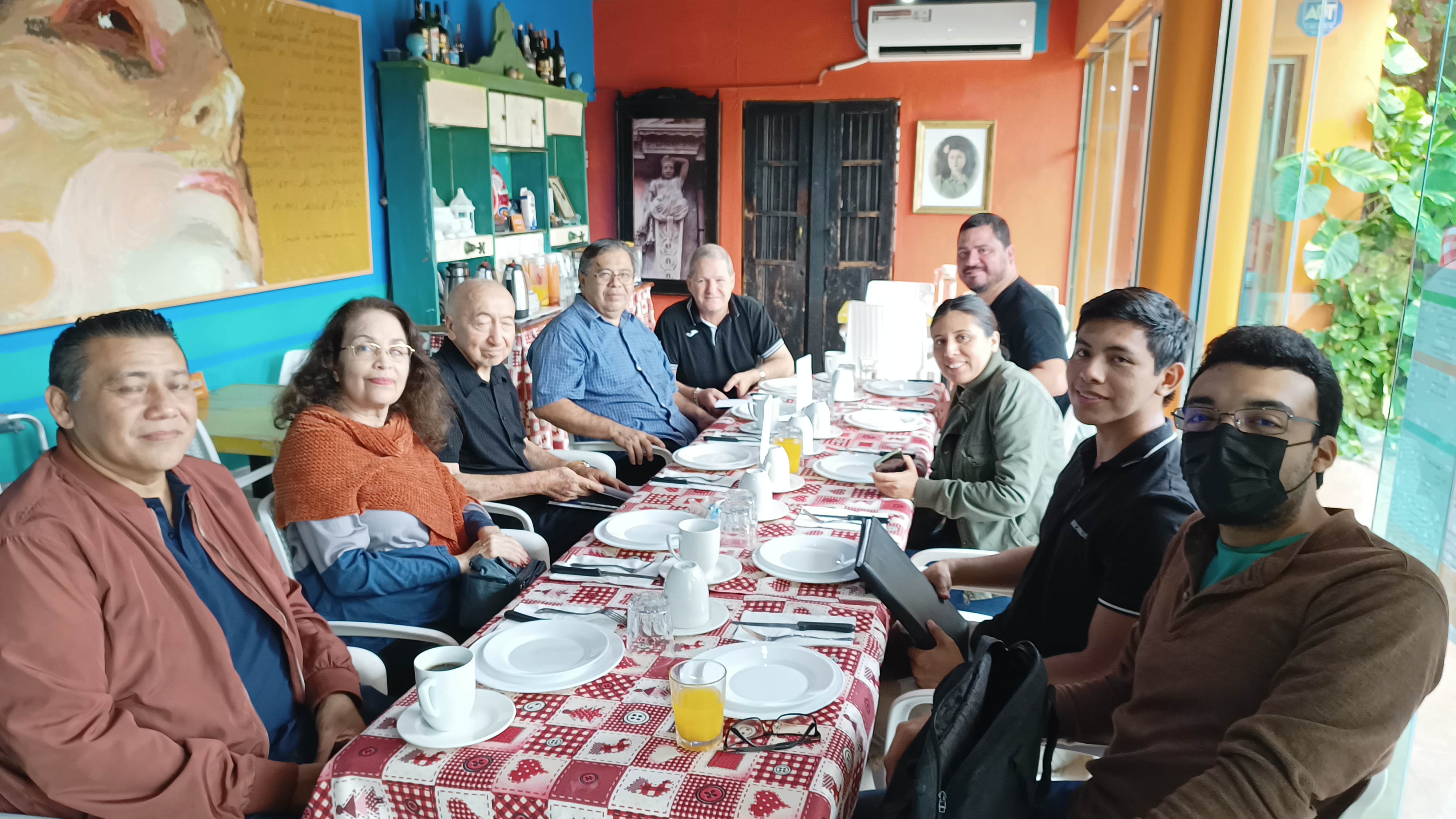
En la reciente rueda de prensa que nos ha ofrecido el profesor Eddie Salazar Gamboa, nos ha entregado material que puedes observar y, si lo deseas, detener el video para poder observar y estudiar a detalle los datos proporcionados.
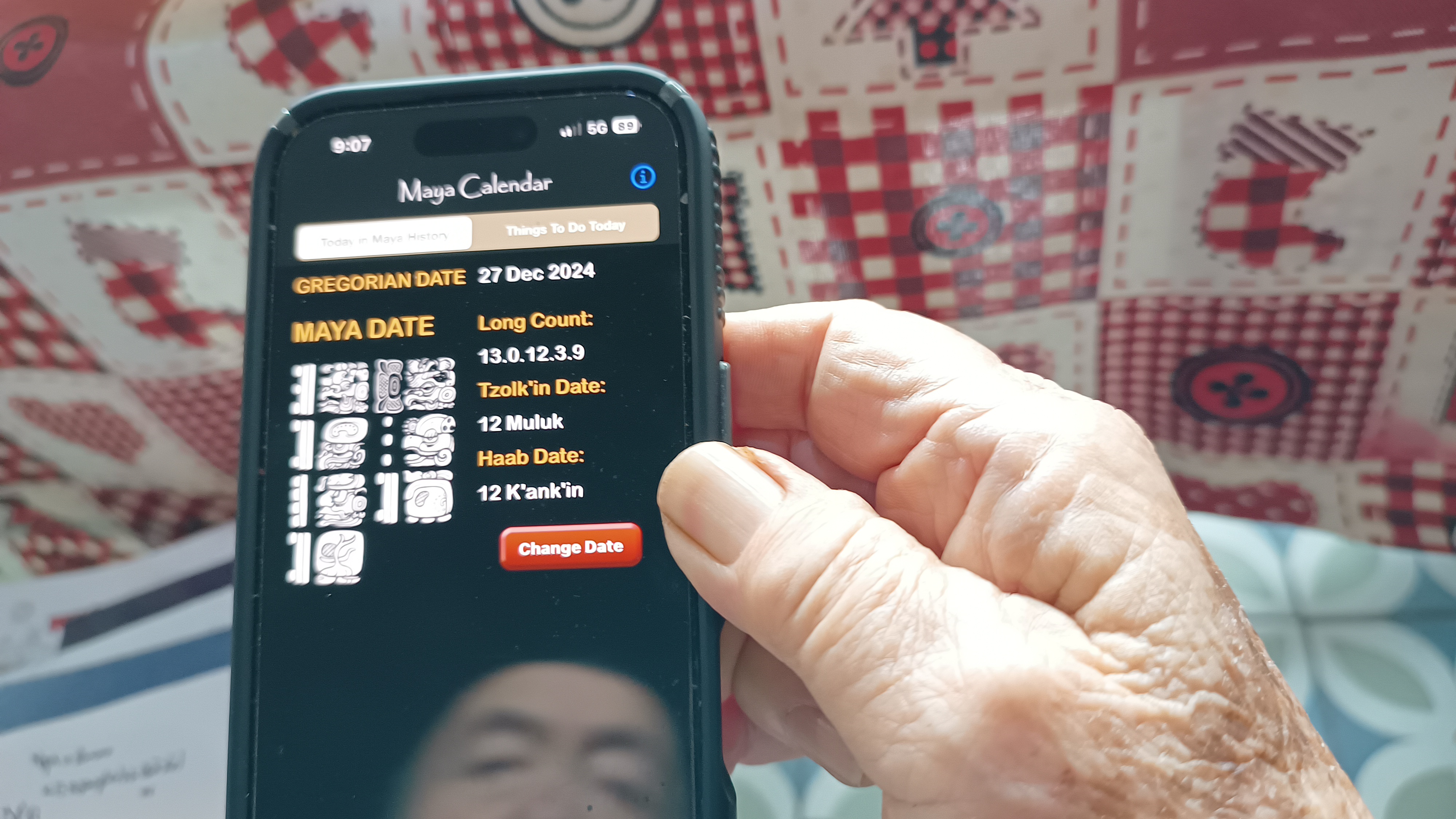
El profesor Salazar Gamboa prepondera el valor del calendario maya y nos muestra su expresión en una de sus aplicaciones móviles
A tour of the fundamental data that has been created over time since 2019, which started this program called ExoClock that aims to search for exoplanets. As we could see, the largest number of participants were from France, and it was really fun to accompany them in this happy event with which they say goodbye to the year 2024, joining the party was special.
Siga las noticias de la ceremonia de entrega del certificado programada para el 26 Capricornio (27 de diciembre).
DOS MUJERES PIONERAS EN SIRIUS 21 Y 23, CIENTÍFICAS Y RELATORAS DE UN CAMINO QUE ENGRANDECE A ASGARDIA. AQUÍ VEMOS A VICTORIA KIRICHENKO Y KSENIA ORLOVA JUNTO AL JEFE DE NUESTRA NACIÓN, DR. IGOR ASHURBEYLI.
El 17 Capricornio 0008 (18 de diciembre de 2024) el Jefe de la Nación de Asgardia, Dr. Igor Ashurbeyli, emitió el Decreto n.º 82 por el que se le otorgaba a Ksenia Orlova el Certificado de Reconocimiento del Jefe de la Nación de Asgardia por su contribución a las actividades de investigación científica como tripulante del experimento de aislamientoSIRIUS-23.
El experimento SIRIUS-23, llevado a cabo por el Instituto de Problemas Biomédicos (IPBM) en colaboración con Asgardia, tenía como objetivo estudiar los efectos de los vuelos espaciales de larga duración. Dichos estudios son esenciales para cumplir la principal misión científica de Asgardia: el nacimiento del primer bebé en el espacio.
Ksenia Orlova, residente de Asgardia, médica e investigadora, pasó 366 días en confinamiento en una instalación sellada, contribuyendo a una investigación pionera sobre la respuesta del cuerpo femenino al aislamiento prolongado. La misiónterminó el 11 Sagitario 0008 (14 de noviembre de 2024), marcando uno de los experimentos de aislamiento más largos de la historia de la ciencia espacial y el primero en contar con la participación de cuatro tripulantes femeninas.
El reconocimiento de la Srta. Orlova subraya el compromiso de Asgardia con la promoción de la innovación científica y las valiosas contribuciones de sus residentes a este empeño. La colaboración de Asgardia con el IPBM sigue allanando el camino hacia la exploración del espacio profundo, demostrando que el sueño de vivir —y de prosperar— más allá de la Tierra está más cerca que nunca.
Existen teorías que sugieren que Jesús de Nazaret pudo haber nacido en marzo o abril, basadas en análisis de calendarios antiguos y referencias bíblicas. Estas teorías se apoyan en varios puntos:
Evangelios y pastores: En el Evangelio de Lucas, se menciona que los pastores estaban cuidando sus rebaños al aire libre en la noche del nacimiento de Jesús. Esto propone una época del año más cálida, como la primavera, ya que en diciembre, los pastores no estarían al aire libre debido al frío.
Calendarios Judíos: Algunos estudiosos han analizado el calendario judío y las festividades religiosas para estimar la fecha de nacimiento de Jesús. Según estos análisis, es posible que Jesús haya nacido durante la primavera, coincidiendo con la festividad de la Pascua judía, que se celebra en marzo o abril.
Censo de Quirino: El Evangelio de Lucas también menciona un censo ordenado por el gobernador Quirino. Algunos historiadores aseguran que este censo pudo haber tenido lugar en una época del año más favorable para viajar, como la primavera.
Por tanto, no es concluyente y tampoco considerado por la generalidad; para muchos, una vez modificado el calendario por el papa Gregorio, las cosas fueron de esa manera y no de otra.
Por tanto, ser analíticos con la cultura que nos precede es importante y les recalco: no importa la creencia o visión que tengan; lo que es cierto es que avanzamos hacia un nuevo ciclo de vida, y eso es esencial.
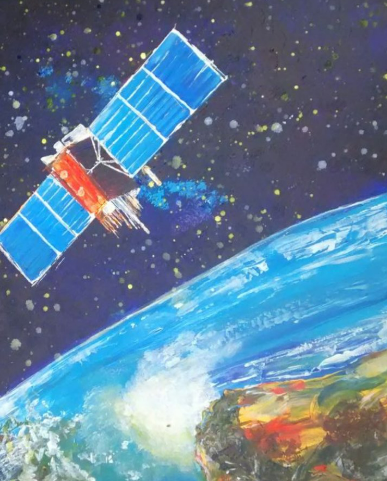
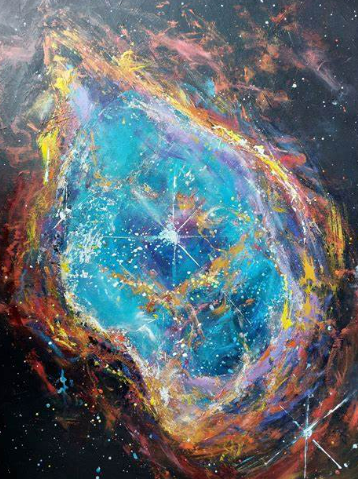
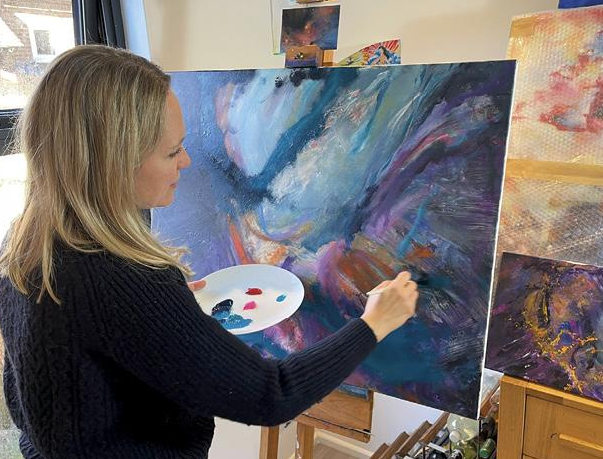
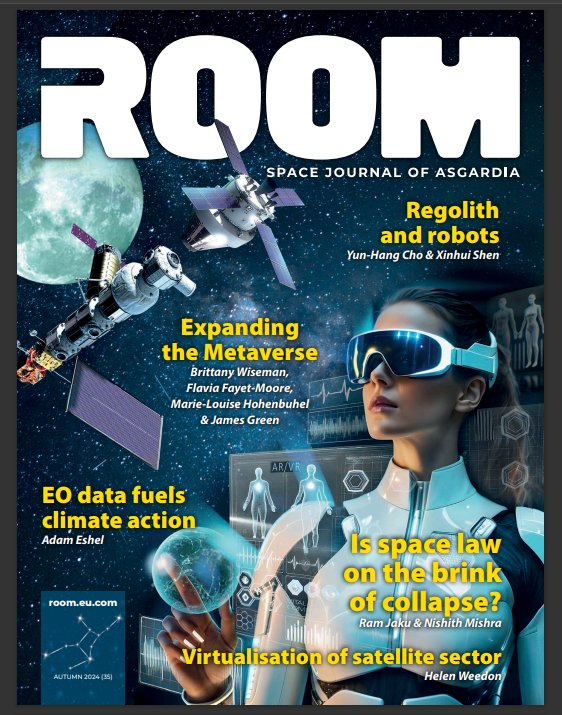
You can discover more of her work in the Room Space Journal,Where she explains about:
The photographic detail of astronomical imagery has inspired earthbound artists for decades — and the starry night for centuries before that. In this article, a British artist explains how she got into art and displays some of her recent creations.
In the other part of the article, she said:
I love colour — you need only glance at some of my work to realise this. My paintings, inspired by the incredible space imagery now available, aim to resonate with the energy of space and express the emotions that the imagery evokes in so many people. But I haven’t always been an artist.
I knew I wanted to contribute to the visual atmosphere of space technology companies, and I could do that by creating paintings.
All of you are invited to know more about her artistic space collaboration in the whole article in the Asgardian magazine Room Space Journal








 A través de LifeShip, los equipos tuvieron la oportunidad única de agregar sus aplicaciones a una próxima misión lunar, haciendo que sus ideas sean parte de la historia de la humanidad más allá de la Tierra. ¡También nos encantó brindar premios a los equipos ganadores!