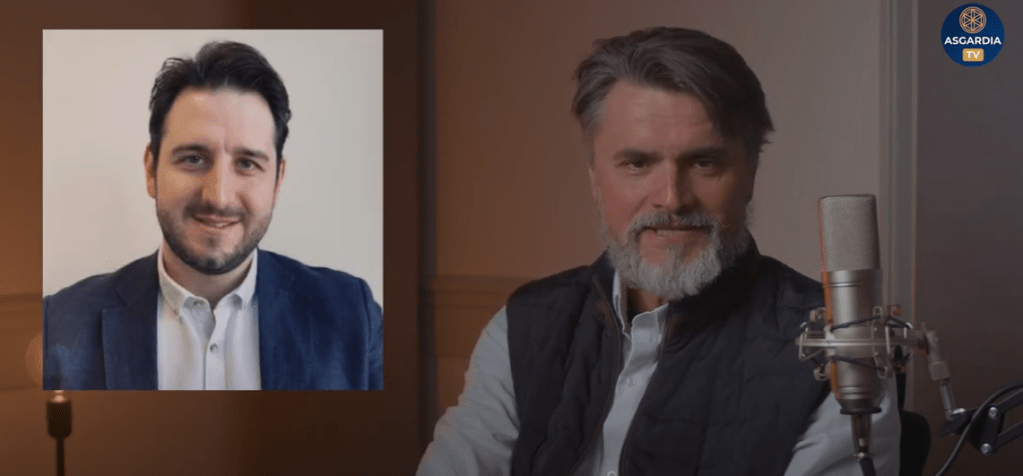
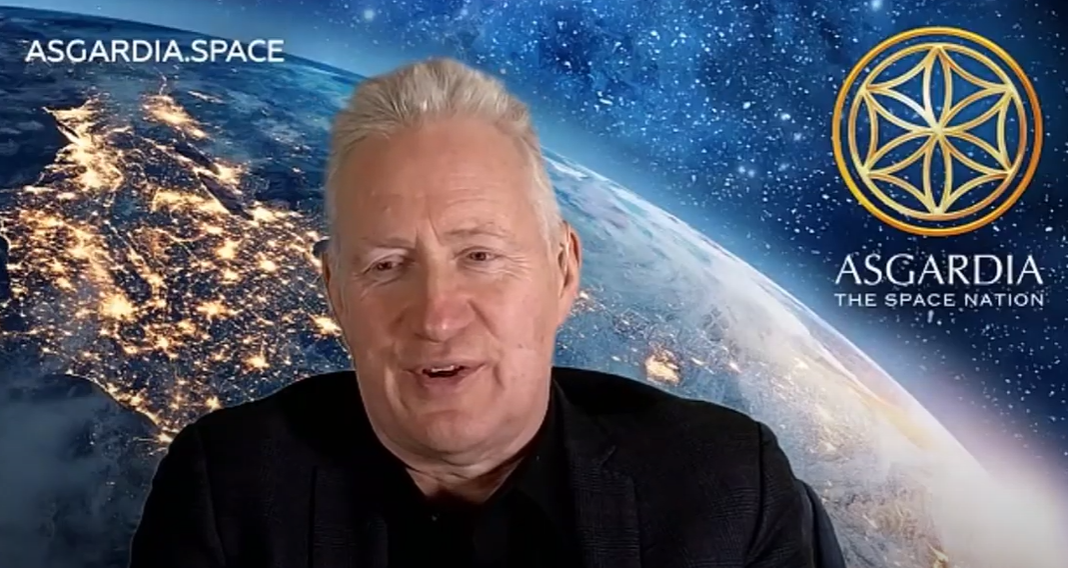
El productor, conductor y ministro de educación en el gobierno de Asgardia hace la presentación de su siguiente entrevista
🚀 El episodio completo se estrena el martes 20 de mayo de 2025 a las 12:00 UTC. 🎥 Mira el tráiler ahora y revive este increíble momento.
El 2 de marzo de 2025 se hizo historia cuando la nave de Vida Pirámide de Asgardia aterrizó en el Mare Crisium de la Luna, llevando el legado de la humanidad a las estrellas.
En este episodio especial de Autopista al Espacio, el presentador Dan Profir se reúne con Cheryl Gallagher, ministra de Cultura de Asgardia, y Lembit Opik, presidente del Parlamento, para hablar sobre este evento revolucionario. Juntos, exploran cómo el arte, la gobernanza y la tecnología de vanguardia convergieron para hacer historia, y lo que esto significa para nuestro futuro entre las estrellas.
Transcripción al español:
Escuchen, entusiastas del espacio y soñadores cósmicos, levántense para hacer historia: el 2 de marzo de 2025, la humanidad grabó su legado en la luna cuando la pirámide dorada de LifeShip logró que los símbolos de Asgardia aterrizaran en Mare Crisium.
En nuestro próximo episodio, reviviremos este triunfo con Cheryl Gallagher, ministra de Cultura de Asgardia y la mente artística detrás de la cápsula del tiempo cósmica, y Lembit Opik, presidente del Parlamento, quien celebró su 60.º cumpleaños plantando los sueños de una nación en el suelo lunar.
Juntos, desglosaremos cómo el arte, la gobernanza y la tecnología de vanguardia se unieron para salvaguardar el legado de la Tierra y lo que significa para nuestro futuro entre las estrellas.
Prepárense para un viaje desde el rugido del Cabo Cañaveral hasta las llanuras silenciosas de la luna. Esto es Highway to Space, donde los grandes saltos de la humanidad cobran vida.
El argumento de la conferencia de este año es El contexto rápidamente cambiante del espacio global y se centrará en los desafíos y cuestiones emergentes que presenta el aumento de las actividades financiadas comercialmente, los avances en la tecnología y los rápidos cambios recientes en las relaciones internacionales:
They all form a compelling and clear team. Observing from a distance is not easy, but it is essential and attractive for analysing possible habitable worlds in the future.
Remember that Ariel is a European Space Agency (ESA) space mission dedicated to the study of exoplanets. Its name comes from the acronym Atmospheric Remote-sensing Infrared Exoplanet Large-survey.
They have sent their monthly newsletter of their activities, and I am pleased to share it with you.
Ariel aims to analyse the chemical composition and thermal structure of approximately 1,000 exoplanets using observations in visible and infrared wavelengths. This allows scientists to better understand how planets form and evolve, as well as the influence of their stars on their development.
Issue 48 – May 1st, 2025
Dear ExoClock participants, I hope you are all doing well!
We would also like to welcome the new members!
We send out a newsletter like this every month, while you can read the past newsletters, watch the past meetings, and have access to other educational material at:
We organise meetings dedicated to new ExoClock members. These meetings are held just after our regular monthly meeting. The beginner’s meeting is usually held on a Friday, one or two weeks after the monthly meetings. In these meetings, newcomers can ask questions of any level related to the operation of the website, observations of transits, data analysis etc. Note that these meetings are not recorded.
3. Data analysis “Removing outliers in data analysis”
4. Ariel Payload status update
1
1. Announcements
1.1 New HOPS manual released
We’re pleased to announce the release of the latest manual for the HOPS software. This comprehensive guide covers every step of data analysis using HOPS, with detailed explanations for each part of the process. You can access the new manual on the ExoWorlds Spies website:
Special thanks to Panagiotis Batsela, member of the literature team, for her effort in testing HOPS and helping us to update the manual!
1.2 Next ExoClock publication
We are ready to submit our latest publication
ExoClock Project IV: A Homogeneous Catalogue of 620 Exoplanet Ephemerides for the Ariel Space Mission
This paper incorporates around 30,000 data points to update the ephemeris for 620 exoplanet targets that Ariel will observe.
The extensive analysis strongly suggested that about 45% of these targets needed updates, which is crucial for the mission’s success.
This work highlights the important role of the Ephemerides Working Group and the impact of your contributions to ExoClock in making the Ariel mission as efficient as possible.
Thank you everyone for having taken action and to those that have sent us your comments! Presently, we are collecting all co-authors’ approval to be able to submit the paper soon.
If you are a co-author, you have received emails with details, please respond and act by singing the approval box, it is mandatory to get this before the submission.
1.3 Fifth Annual ExoClock Meeting
As many of you know, every year since 2021, we have been hosting our annual ExoClock meeting in a hybrid format at various locations across Europe.
2
This event is a fantastic opportunity for the ExoClock community to come together, connect with other members, Ariel scientists, deepen our understanding of the project and the mission, and of course, have fun.
Last year, we had a wonderful time in Lisbon. It was particularly special because it coincided with the Ariel consortium meeting, allowing many Ariel scientists to engage directly with our community. The synergy was so beneficial that we are eager to replicate this experience in future gatherings.
Looking ahead to this year, we are currently considering several potential locations for our next meeting, including Madrid, Spain, and Florence, Italy. Your input is invaluable to us, and we encourage you to let us know your thoughts by filling in the following survey:
The Euro planet Science Congress (EPSC), Europe’s largest conference for planetary sciences, together with the Division for Planetary Sciences (DPS) will host a joint meeting. This event will take place in Helsinki, Finland, from 7 to 12 September 2025. The conference aims to bring together people from different backgrounds, engaged in planetary science and missions, fostering scientific discussions, interactions, and networking opportunities.
We invite researchers, students, amateur astronomers and citizen scientists to share new projects and developments of previous ones, in the context of promoting open and public science.
If you’re interested in presenting, please submit an abstract for your project. We look forward to an engaging exchange of ideas and would be delighted to see your contributions.
Please spread the word about this opportunity within your networks and relevant communities! The deadline to submit your abstract is Wednesday, 7th May 2025.
3
1.5 Synchronous observations campaign
Synchronous Observations are used to study simultaneously transit observations of challenging exoplanet targets to increase the S/N. These are often cases where single-site observations may be insufficient due to low signal-to-noise ratios, long transit durations, or other observational difficulties.
By observing the same transit from multiple locations at the same time, we ensure better coverage and data reliability, helping to confirm transits and refine ephemeris for otherwise hard-to characterize systems. This month, we are organising a campaign for TOI- 5704b:
• The transit event happens on the 6th of May, 20:24 UTC to 00:54 UTC. • It is an alert target that we would like to track and a good chance to explore the synchronous technique
• Use a red photometric filter, a luminance filter, or no filter at all join the campaign if you have a telescope of 8 inch (ca. 20 centimetres) and above!
Remember that the transit event will not appear in your scheduler! To check whether the transit is observable from your location and the exact time, please consider using the ex-worlds-spies scheduler at:
You have to indicate a telescope of 30 inches (0.76 m), and otherwise it will not appear.
If you manage to observe the transit, please submit the light curve as usually to ExoClock and include to the section of comments: “This is part of the synchronous campaign”.
We will also send you a reminder closer to the date!
2. ExoClock in the class
We’ve often showcased how ExoClock serves as a perfect example of a hands-on project for students eager to learn about exoplanets. High school students are proving that the project isn’t limited to higher education. They get to experience modern astronomy first-hand, sparking both fun and inspiration as they consider their future careers.
For the third consecutive year, Adrian Jones, an active ExoClock observer and member of the review team, has led a remarkable project at Newland Girls’ School for their 12th-grade class. The students used two datasets for their study—one from Adrian and another data set from Yves Jongen, who both generously provided observing time.
The project turned out to be a gigantic success, resulting in two transit observations being published in the school’s name. To date, the school has contributed six observations to the ExoClock project. This initiative enhances their learning and contributes data to ExoClock. These are also the highlighted observations for this time!
4
3. Data analysis “Removing outliers in data analysis”
When analysing data with HOPS, it’s important to be cautious about manually removing outliers. While it might be tempting to delete data points to achieve cleaner light curves, this practice can lead to more harm than good from a statistical standpoint. Manually removing outliers can introduce bias, skewing the results.
It’s essential to understand that the observations we deal with often contain red noise, unlike pure Gaussian or white noise. Red noise includes systematic patterns, such as small bumps, which are usually related to equipment issues or weather conditions. When red noise is present, removing 3- sigma outliers isn’t advisable because it means clipping the distribution and possibly discarding valid data that reflects underlying phenomena, even if they aren’t the astrophysical signals we’re targeting.
Rather than removing outliers based solely on visual inspection of light curves, it’s more appropriate to evaluate the original frames. If certain frames are compromised by factors such as cloud interference, street lights, or inadequate guiding, then those frames should indeed be removed. By focusing on the quality of frames rather than the light curves, you prevent the introduction of manual biases and preserve the integrity of the data.
5
4. Ariel payload status update
by Salma Fahmy, Ariel Mission Payload & AIV Manager:
The development of the Ariel spacecraft continues to proceed well.
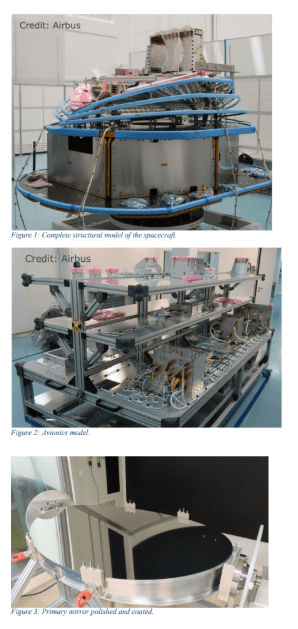
A major milestone was achieved at the end of 2024 with the testing of the spacecraft Structural Model, which is a fully mechanically representative model of the spacecraft (see image 1, next page). It was successfully subjected to vibration testing to demonstrate that it can survive the launch!
This model also allowed a dry run of the integration and alignment of the payload with the spacecraft Service Module, which went smoothly. The results of the tests are being analysed and used to correlate and update the Finite Element Model of the spacecraft to improve its fidelity.
In parallel to this, the Avionics Model, which will be used to test the data handling and electrical functioning of the spacecraft, is gradually being put together. The Onboard Computer is the first unit to have been delivered to Airbus in Toulouse. All the cabling has also been built. The payload units are being built and planned to be delivered in June this year. Preliminary models of the Instrument Control Unit, the Detector Control Unit, and the Telescope Control Unit are currently being tested together by the payload teams. This allows to verify that these electronic units can correctly communicate with each other before they are all delivered to Airbus for the avionics test bench. Image 2 shows the Avionics Test Bench at the S/C Prime’s premises in Toulouse.
Meanwhile, on the telescope, all mirrors for both the Structural and Engineering models have been manufactured, polished and coated (see image 3 for the primary mirror). All the telescope structural elements have also been manufactured and will now have the surface finishes (black coating) applied before the assembly of the telescope Engineering Model starts.
Instrument teams are also busy preparing for their Critical Design Reviews, which will be held during this year. Once these reviews are successfully concluded, it will give the green light for manufacturing of the remaining Flight Model parts!
In the next page you can find some photos demonstrating the progress of the spacecraft development!
You can watch Salma talking in the following link, which was featured in the consortium meeting in Lisbon.
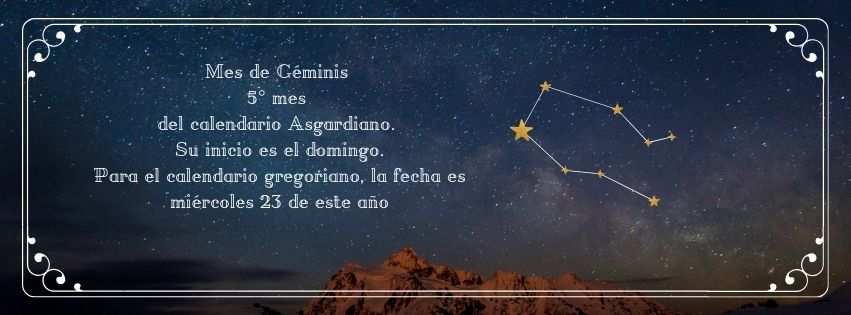
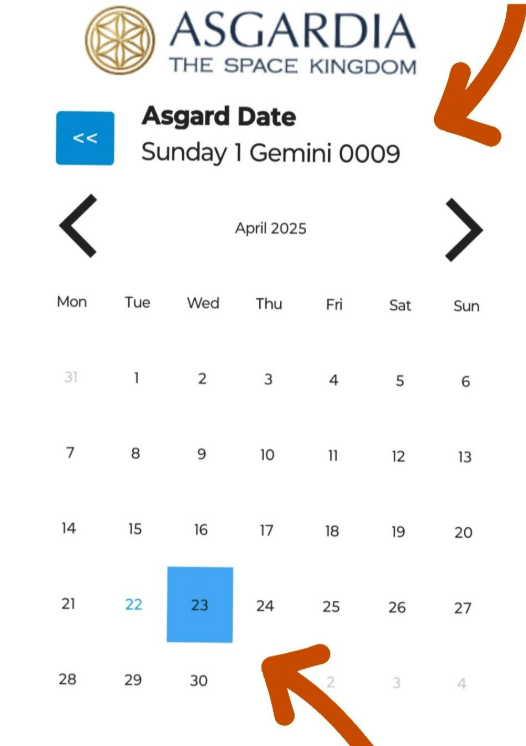
Cambiamos de mes, siendo nuestro calendario lunar de 28 días.
Ya que el ciclo lunar, también conocido como lunación o mes sinódico, dura aproximadamente 29.53 días. Este tiempo representa el periodo en que tarda la Luna en completar una vuelta alrededor de la Tierra, pasando por todas sus fases, desde la luna nueva hasta la luna nueva siguiente.
En la actualidad, no existe una norma mundial única para el año natural. En el espacio, ninguno de los calendarios geocéntricos, terrestres y análogos que se utilizan hoy en día (de los cuales hay unos 40) tiene sentido práctico. Para fines estratégicos, la navegación celeste y la astrodinámica, son efectivamente inútiles. En un intento de rectificar la situación, la nación espacial de Asgardia, el comienzo de una nueva formación socioeconómica estratégica de la civilización, ha desarrollado un calendario de referencia astro céntrico, de estándar fijo, de 13 meses.
Creas o no en la astrología y los mitos griegos, esta historia forma parte de las tradiciones arraigadas en el mundo ancestral y actual. Lo mejor que puedo recomendar es que observes en tus actividades cuál de estos detalles tiene cabida en tus acciones para celebrar el mes de Géminis.
En la mitología griega, está asociado con el mito de Cástor y Pólux, conocidos como los Dioscuros. Según la leyenda, Cástor era mortal y Pólux inmortal, y cuando Cástor murió, Pólux, lleno de dolor por la pérdida de su amado hermano, pidió a Zeus que le permitiera compartir su inmortalidad con Cástor para que pudieran estar juntos nuevamente. Impresionado por el profundo amor fraternal que ambos compartían, Zeus los transformó en la constelación de Géminis, simbolizando su unión eterna en el cielo. Esta transformación no solo sirvió para honrar su vínculo, sino que también se convirtió en un símbolo de esperanza y lealtad para los mortales, recordándoles que, a pesar de la muerte, el amor verdadero perdura. Así, cada vez que los navegantes miraban al cielo nocturno, podían ver a los Dioscuros guiándolos, recordando su heroísmo y la fuerza del vínculo entre hermanos.
Géminis es el tercer signo del zodiaco y está regido por Mercurio, el planeta de la comunicación y la inteligencia. Este signo representa la dualidad, la curiosidad y la capacidad de adaptarse a diferentes situaciones, lo que lo convierte en un gran conversador y un pensador ágil. Las personas nacidas bajo este signo suelen tener una mente abierta y disfrutan de explorar nuevas ideas y conceptos. Su naturaleza inquieta les impulsa a buscar constantemente nuevas experiencias, lo que les permite ser excelentes en el aprendizaje y la adaptación a entornos cambiantes. Además, Géminis es conocido por su capacidad para ver ambas caras de una situación, lo que les ayuda a ser diplomáticos y a resolver conflictos con facilidad.
Durante este período, el Sol transita por Tauro, un signo de tierra regido por Venus, asociado con la estabilidad, el placer y la belleza. La temporada de Tauro comienza el 19 de abril y termina el 20 de mayo, solamente en el calendario astrológico conocido y habitual. Para nosotros, ese mes, el taurino, está por concluir en tres días.
Como Asgardianos que ves en Tauro, cuando analizas qué le rige Venus, ellos hablan de lo que hemos sembrado y cosechado, de lo que hemos edificado y logrado; todo aquello que ha echado raíces y fortificado energías que nos atan a la tierra.
Tauro es nuestro peso en la tierra, la piel de uno en la de otro; todas las semillas que florecen en ideas, en sembradíos y en sentimientos. Es la paciencia para ser lo que somos y saber leer y entender a otros.
Hoy la constelación de Tierra Capricornio está dando resplandor a la Luna, estamos entrando en la época zodiacal común de Tauro y el signo que lo rige es Venus.
Entonces la marca de la Tierra se celebra hoy:
Tauro: Conocido por su estabilidad y conexión con lo material y la naturaleza.
Virgo: Representa la organización, el detalle y la practicidad.
Capricornio: Asociado con la ambición, el trabajo duro y la disciplina.
15 de abril de 2025 #AutopistaAlEspacio #SimonFeast #UKSpace A continuación, en Autopista al Espacio, nos acompaña Simon Feast, director ejecutivo de la Sociedad Interplanetaria Británica (BIS), una de las organizaciones espaciales más antiguas del mundo.
Con experiencia en sistemas de propulsión avanzados y una trayectoria que abarca la ingeniería, la estrategia y la innovación, Simon aporta una nueva perspectiva sobre el futuro del sector espacial del Reino Unido. La importancia de la colaboración, la sostenibilidad y la educación para impulsar el lugar de la humanidad en el cosmos.
📅 El episodio completo se estrena el martes 22 de abril de 2025 a las 12:00 UTC. 🚀 No te pierdas la promoción y prepárate para explorar la trayectoria visionaria de la BIS.
Transcripción de la presentación al español:
Hola, entusiastas del espacio y soñadores cósmicos, la próxima semana tendremos la alegría de dar la bienvenida en el programa a Simon Feist, CONSEJERO DELEGADO de la Sociedad Interplanetaria Británica (BIS). Simon ha trabajado en el sector espacial desde que estudiaba sus títulos de pregrado y posgrado en ingeniería en la Universidad Oxford Brookes.
Su experiencia se encuentra en el desarrollo de sistemas de propulsión avanzada para un futuro acceso reutilizable y de bajo costo al espacio. Tras una extensa carrera en la empresa británica de propulsión Reaction Engines, su experiencia profesional dentro de la industria es amplia, abarcando R&D tecnológico, operaciones empresariales, desarrollo y estudios espaciales estratégicos futuros.
Simon tiene una gran pasión por todos los aspectos de la astronáutica y está muy emocionado de liderar la BIS hacia el futuro. Así que sintoniza para encender tu imaginación y soñar en grande, mantente curioso acerca del cosmos y sigue mirando hacia arriba. [Música]
Sigue al ministro de educación, Dan Profir, en esas redes sociales:
El NEAF (Northeast Astronomy Forum) es uno de los eventos más destacados en el mundo de la astronomía y el espacio. Este foro anual reúne a profesionales, aficionados y entusiastas de la astronomía para compartir conocimientos, explorar las últimas tecnologías y disfrutar de actividades relacionadas con el cosmos.
Este evento incluye:
Conferencias de renombrados expertos en astronomía y exploración espacial.
Talleres educativos para principiantes y actividades STEM para estudiantes.
Una exposición de 90,000 pies cuadrados con los principales fabricantes y vendedores de equipos astronómicos.
Observaciones solares, sorteos, premios y actividades para niños.
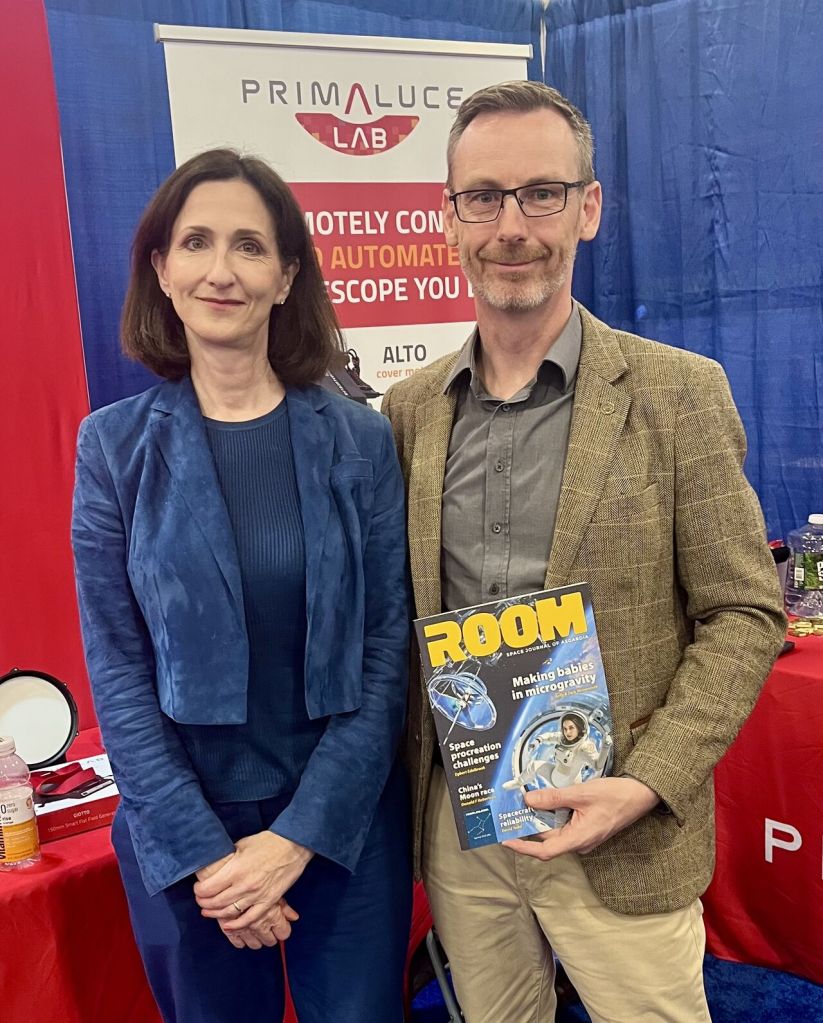
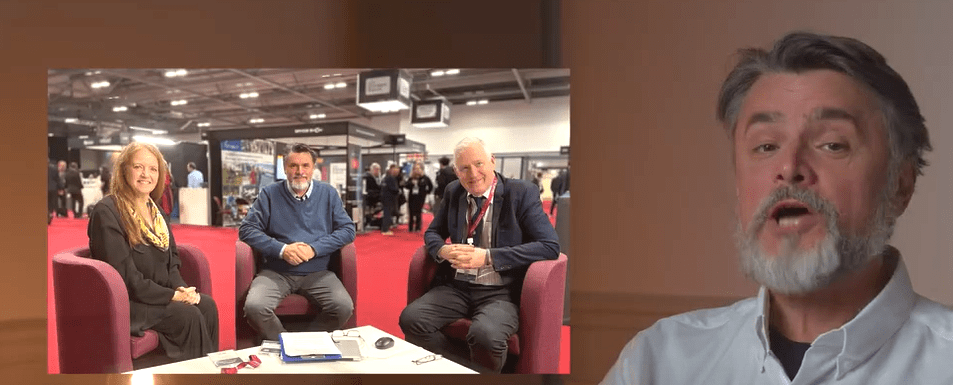
Steve Kelly, director de diseño de la revista Room Space Journal, ya está en el evento; le vemos aquí con la profesora experta en estudio de exoplanetas, Sara Seager de la Universidad de Cambridge, Massachusetts, Estados Unidos.
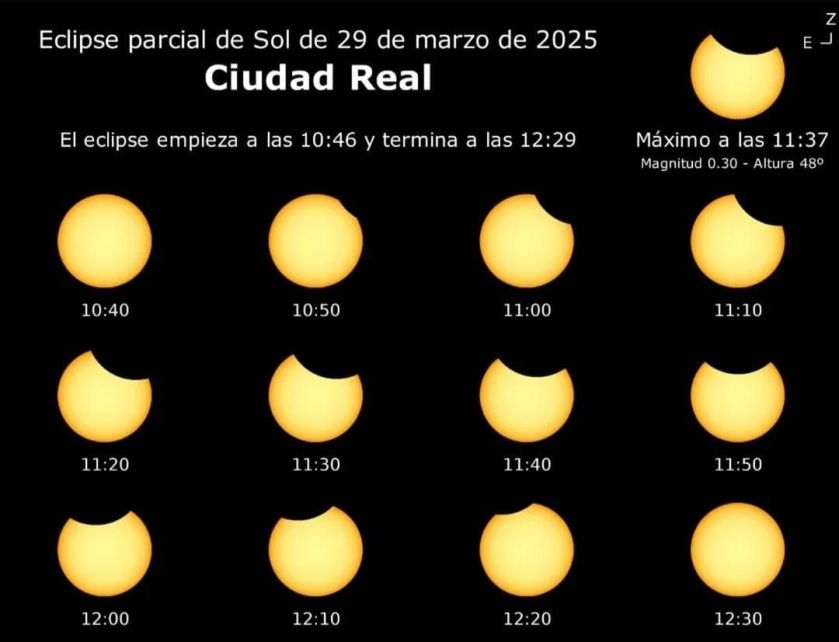
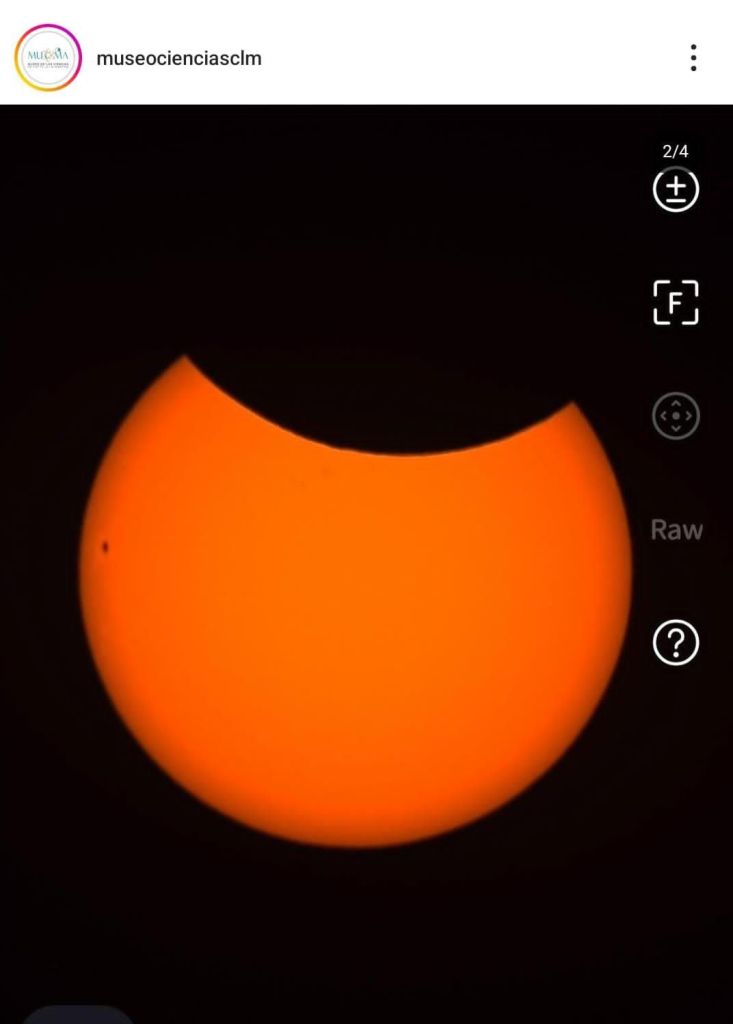
Si definitivamente sabemos del amor por estos eventos, en los Asgardianos que, aun siendo pocos, dan cuenta de lo que sucedió el 29 de marzo por la mañana.
Agradezco de forma especial a Francisco Javier Arévalo Fernández, por reunirse en este sitio con amigos y familiares en un evento tan especial.
Un gusto recibir las fotografías que reunió acerca del evento desde Ciudad Real, territorio ibérico. Ciudad Real es un municipio y una ciudad de España, capital de la provincia homónima, en la comunidad autónoma de Castilla-La Mancha. Con una población de 75 909 habitantes, es el quinto municipio más poblado de la comunidad autónoma. Recibe el sobrenombre de «la capital de La Mancha» por haber sido la capital de la antigua provincia de La Mancha.
La sesión incluyó actualizaciones sobre desarrollos significativos dentro de Asgardia, destacando el recuento de Lembit Opik en una reunión reciente con Cheryl Gallagher, la ministra de Cultura.
Señaló el exitoso aterrizaje de los símbolos espaciales de Asgardia en la Luna y discutió el próximo lanzamiento de paquetes de ADN, aunque los detalles específicos siguen pendientes. Lembit también confirmó las fechas de las próximas tres sesiones digitales del Parlamento, que tienen como objetivo mejorar la planificación legislativa y apoyar el trabajo de John Fine y el Grupo de Revisión del Mérito Legislativo.
El presidente del parlamento, enfatizó la necesidad de aumentar el número de residentes de Asgardia a 10 millones, lo que cree que es crucial para avanzar en sus iniciativas espaciales. Animó a los participantes a hacer una lluvia de ideas sobre estrategias para atraer a nuevos residentes, vinculando sus salarios al crecimiento de la organización.
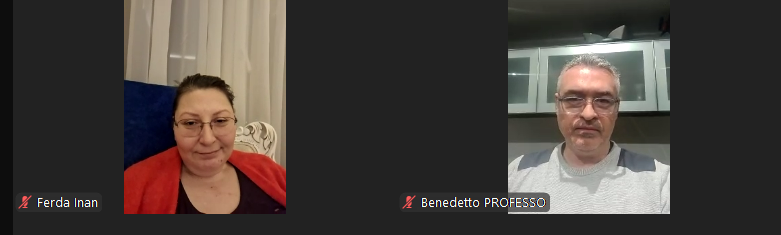
Ferda Inan expresó su preocupación por la comprensión de los residentes del valor de sus cuotas de membresía, abogando por una comunicación más clara con respecto a los proyectos sociales de Asgardia.
John Fine apoyó esto sugiriendo sistemas automatizados para promover los beneficios tangibles e intangibles de la membresía, al tiempo que destacó la importancia de fomentar una relación sólida entre el Parlamento y los Asgardianos.
Dra. Sarah E. v. Clark presentó sus planes para un paquete de bienvenida para los nuevos residentes, que incluiría un certificado e instrucciones de participación en las redes sociales.
También propuso crear un video promocional para presentar Asgardia a los posibles miembros. El debate incluyó la importancia de la accesibilidad lingüística y la necesidad de contar con materiales de marketing tangibles.
John Fine expresó su apoyo a la iniciativa del paquete de bienvenida y enfatizó la importancia de aprovechar las redes sociales para mejorar la visibilidad de Asgardia. El grupo concluyó con el compromiso de transformar las ideas en planes de acción, reflexionando sobre su progreso y aspiraciones futuras.
Se discutió las cuestiones estratégicas que rodean la habitación humana en el espacio y las implicaciones éticas de la exploración espacial. Ariadne le preguntó al presidente Lembit Opik acerca de las gafas para eclipses solares, recordando un evento pasado en el que Sarah Clark, quien las proporcionó. Lembit Opik confirmó que podría tener anteojos de Dallas, pero señaló que estaría demasiado ocupado para usarlos durante el próximo eclipse.
Así que por aquí les dejamos lo que se está preparando en la zona donde vive el presidente del parlamento:
Ponlo en tu agenda para que estés al tanto de este evento tan especial.
Ben Haldeman, director ejecutivo de LifeShip señala:
Estoy muy emocionado con los artistas y las obras presentadas hasta ahora para la Galería LifeShip Luna. Esta será una misión espacial divertida y épica. ¡Gracias a quienes ya enviaron sus obras! Recibirán confirmación de aceptación y más información en los próximos dos días.
Todas las obras de arte que se exhibirán en la Galería Luna deben entregarse antes del 1 de abril.
Órbita terrestre
Cualquier obra de arte enviada y aceptada antes del 27 de marzo al mediodía (hora del Pacífico) se incluirá en una misión orbital a la ISS este verano, además de la misión a la Luna.
¡A la Luna! Clase de arte para niños.
¿Quieren sus hijos participar en una misión espacial? Colaboramos con la profesora de espacio Laura para crear ¡A la Luna!, un curso de arte espacial para niños. Los niños aprenden sobre el espacio y luego envían sus obras para ir a la Luna. ¡Deben enviar sus obras antes del 30 de marzo!


 Issue 48 – May 1st, 2025